

Selling your home is a significant step, but once you’ve listed it, the journey is just getting started. Being proactive and engaged can make all the difference in attracting potential buyers and securing the best possible deal. This guide will provide essential tips to help you confidently navigate the process, ensuring your home sale is smooth and successful.
1. Keep Your Home Show-Ready
First impressions are crucial when selling your home. A clean, well-staged, organized space can significantly influence potential buyers’ feelings about your property.
Here’s how to keep your home show-ready:
- Daily Cleaning: Dust, vacuum, and wipe down surfaces regularly. Keeping your home clean always ensures it looks fresh and inviting for potential buyers.
- Declutter: Clear countertops, shelves, and storage areas. Buyers want to imagine themselves living in the space; a clutter-free home helps them visualize this.
- Maintain Curb Appeal: Your home’s exterior is the first thing buyers will see. Regularly mow the lawn, trim bushes, and plant fresh flowers to create an inviting entrance that makes a great first impression.
- Touch-Up Imperfections: Fix minor issues, such as chipped paint, leaky faucets, or loose door handles. Small repairs show that your home is well-maintained.
Why this works: A show-ready home makes it easier for buyers to picture themselves living there, creating an emotional connection that can lead to faster and more competitive offers.
2. Be Flexible with Showings
Flexibility is essential when showing your home to potential buyers. The more accessible your home is, the more opportunities you create for interested buyers to see it.
Tips for being flexible with showings:
- Adjust Your Schedule: Be open to evening and weekend showings, as many buyers work during the day and prefer to visit homes outside of regular business hours.
- Keep the Home Ready: Always be prepared for last-minute showings. Have a quick cleaning routine to tidy up in 30 minutes or less.
- Consider a Lockbox: Installing a lockbox allows agents to show your home even when unavailable, increasing viewing opportunities.
Why this works: The easier buyers see your home, the more likely you are to attract serious offers.

3. Review Your Listing Regularly
Your online listing is often the first impression buyers get of your home, so it’s essential to keep it updated and appealing.
How to optimize your listing:
- Update Photos Seasonally: Refresh your listing photos to reflect the current season or any improvements you’ve made. A fresh set of images can make your home feel new and relevant.
- Check for Accuracy: Ensure all details, such as square footage, features, and amenities, are correct and up-to-date. Accurate listings build trust with potential buyers.
- Highlight Recent Upgrades: If you’ve made any improvements since your home was listed, include them. Emphasizing new features can make your home more attractive.
Why this works: Regularly updating your listing keeps it appealing, helping it stand out to buyers browsing multiple properties.
4. Stay in Touch with Your Real Estate Agent
Your real estate agent is a valuable partner throughout the selling process, providing insights and guidance every step of the way.
Ways to stay connected:
- Weekly Check-ins: Schedule regular updates with your agent to discuss feedback from showings, potential offers, and market trends.
- Discuss Marketing Strategies: Be open to adjusting your marketing plan. Ask your agent about new advertising channels or promotional tactics that could attract more buyers.
- Request Feedback: Ask your agent for feedback from potential buyers who have viewed your home. This information can help you identify areas for improvement.
Why this works: Regular communication keeps you informed, helping you make timely adjustments and stay competitive.
5. Adjust Your Strategy if Necessary
The real estate market can change quickly, so adapting your selling strategy when needed is essential.
Steps to adjust your approach:
- Monitor Buyer Interest: If your home isn’t attracting enough interest, consider adjusting the price. Even a small reduction can generate more attention from buyers.
- Reassess Your Efforts: Explore new marketing channels, such as social media ads, virtual tours, or open houses. Expanding your reach can attract more potential buyers.
- Make Small Improvements: Consider minor upgrades, such as painting walls, updating light fixtures, or enhancing landscaping. These small changes can boost your home’s appeal.
Why this works: Adapting to market feedback keeps your property attractive, ensuring it remains competitive and desirable to buyers.
6. Respond Promptly to Offers
How you respond when offers start coming in can significantly impact the negotiation process.
Best practices for handling offers:
- Be Prepared: Know how you’ll respond to different offers, whether at the asking price, above, or below.
- Stay Professional and Polite: Respond courteously if an offer isn’t ideal. Keeping the lines of communication open shows you’re serious about selling.
- Consult Your Agent: Your agent can help you evaluate offers and advise on negotiating the best terms.
Why this works: Quick and thoughtful responses demonstrate your commitment to selling, which encourages buyers to proceed with negotiations.
7. Keep Track of Market Trends
Staying informed about the local real estate market helps you make smart decisions throughout the selling process.
How to stay informed:
- Research Local Trends: Regularly check local sales reports, mortgage rates, and listings in your area to understand the current market landscape.
- Compare Similar Properties: Look at homes recently sold in your neighborhood to understand what buyers are looking for and how your property compares.
- Adapt Accordingly: Be prepared to adjust your pricing or marketing strategy based on changes in the market.
Why this works: Understanding market trends allows you to make informed decisions, increasing the likelihood of a successful sale.
8. Prepare for the Next Step
Selling your home is only part of the journey; preparing for the move is just as important.
Tips for preparing your move:
- Declutter Early: Begin sorting through your belongings and decide what to keep, donate, or discard. This will make packing easier when the time comes.
- Pack Non-Essentials: Start packing items you don’t use daily, such as seasonal clothes, holiday decorations, or rarely used kitchen appliances.
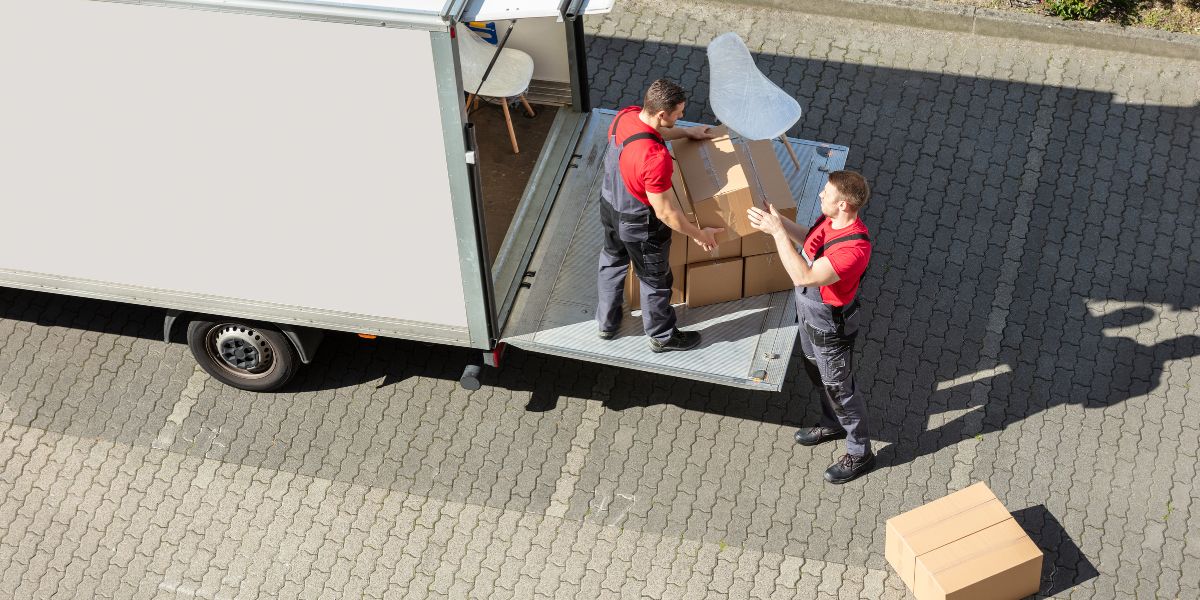
- Hire Movers in Advance: Schedule a moving company as soon as possible to avoid last-minute stress and secure your preferred date.
Why this works: Early preparation reduces stress, making the transition to your new home smoother once your current property sells.
Conclusion
Selling your home is a journey that requires ongoing effort even after it’s listed. Staying proactive and flexible increases your chances of a successful sale. From keeping your home show-ready to staying in touch with your agent and adapting to market trends, these steps will help you navigate the process confidently. Remember, preparation, responsiveness, and adaptability are key to selling your home quickly and for the best possible price.