
The Soul of the City: A Homeowner’s Guide to Savannah’s Historic District Preservation Rules
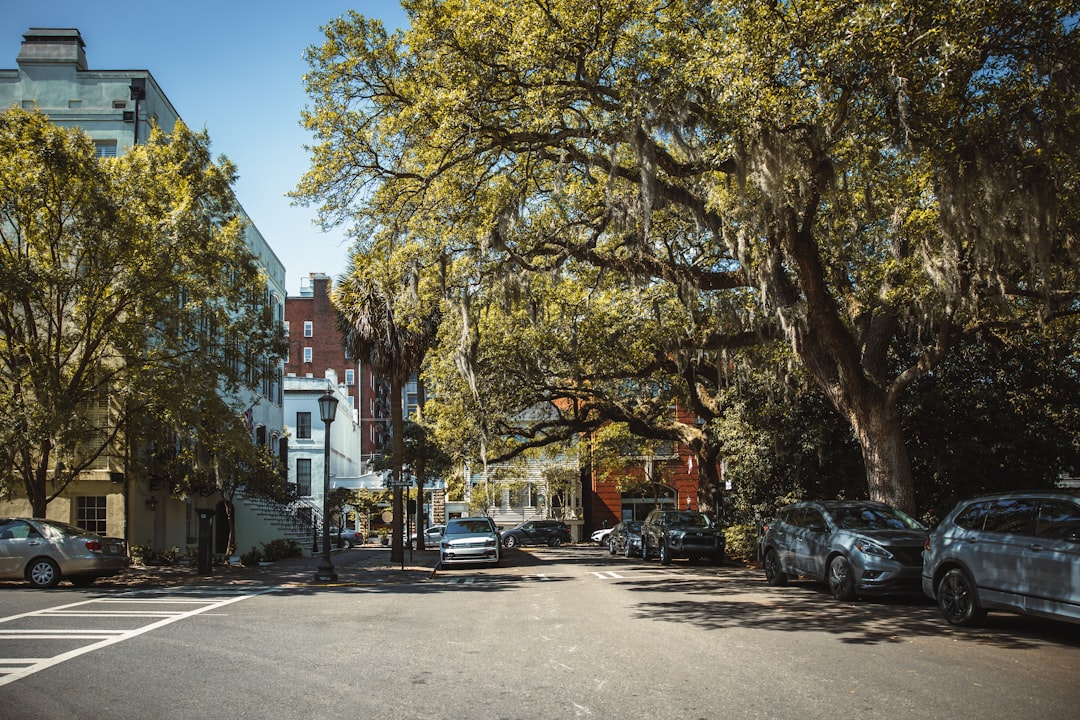
You see it in your mind’s eye, don’t you? A magnificent historic home in Savannah, dripping with Spanish moss, its wrought-iron gate whispering stories from centuries past. You imagine sipping sweet tea on the piazza, a tangible piece of the city’s soul all your own. It’s a powerful dream, the kind that makes you scour real estate listings late into the night.

But let’s get real. Transitioning that dream into a deed involves navigating a reality that’s a bit more complex than a postcard. Owning a piece of this dream means you’re not just a homeowner; you’re a steward of history. And that stewardship comes with a rulebook. A big one.
This is exactly where the modern home-buying process gets messy. There is a metric ton of misinformation out there, a cacophony of “my neighbor said” and “I read on a forum that…” Can someone say “Fake News”? The confusion around Savannah’s historic preservation rules can make the whole process feel impossible. This guide is your dose of truth—a clear, no-nonsense manual to empower buyers, sellers, and the realtors who guide them. We’re here to cut through the noise so you can confidently claim your piece of Savannah’s soul.
Key Takeaways
- Preservation Protects Profit: Savannah’s historic district rules aren’t just about aesthetics; they are a powerful mechanism for protecting property values and ensuring the long-term profitability of your investment.
- The COA is King: Nearly any exterior modification, from a new coat of paint to a full-on addition, requires a Certificate of Appropriateness (COA). Understanding this process is non-negotiable.
- It’s an Outside Job: The Historic District Board of Review’s authority is focused almost exclusively on the exterior of your property. What you do inside is generally your own business.
- You’re Not Alone: The complexity of these rules makes having an expert guide—a knowledgeable real estate professional—absolutely essential for a smooth and successful transaction.
Why These Rules Exist: Protecting the Soul of Savannah’s Historic District
First off, let’s bust the biggest myth: these rules were not created by a shadowy cabal of beige-paint enthusiasts just to make your life difficult. They exist for a very clear and critical reason: to protect the unique character, architectural integrity, and cultural heritage that makes Savannah, well, Savannah. This is the “special sauce” that draws millions of visitors a year and makes people from all over the world dream of living here.
Think of the Historic District as a living museum, and the preservation guidelines are the curatorial standards. According to the National Park Service, historic districts are one of the most effective tools for managing change and preserving the character of a place. These rules prevent one person’s questionable renovation choice—say, a vinyl-sided porch on a 19th-century Victorian—from tanking the property values of an entire block.
For you, the homeowner, this is fantastic news. The strict standards create a stable and often appreciating real estate market. They ensure that the charming, historic street you bought into will remain a charming, historic street for years to come. This is the very foundation of a sound investment in real estate, safeguarding the profitability of your home.

A Homeowner’s Guide to the Key Players and Processes
Alright, let’s pull back the curtain on the bureaucracy. It might seem intimidating with all its acronyms and applications, but it’s a logical system once you understand the players. Getting a handle on Savannah, GA planning & zoning is the first step to unlocking your home’s potential.
Who’s in Charge? Understanding the MPC and HDBR
Two main groups run the show. Think of them as the referees of historic preservation.
- The Metropolitan Planning Commission (MPC): This is the parent organization. The MPC is the regional planning agency for Savannah and Chatham County, handling all sorts of things like zoning, long-range planning, and development review.
- The Historic District Board of Review (HDBR): This is the specialized team you’ll be dealing with directly. The HDBR is a citizen board, appointed by the City Council and County Commission, that reviews and makes decisions on applications for work on properties within the historic districts. They are the guardians of the city’s design guidelines.
The Most Important Document: The Certificate of Appropriateness (COA)
Burn this acronym into your brain: COA. The Certificate of Appropriateness is the official document that says, “Yes, your proposed project is appropriate for this historic property and meets the guidelines.” You will need a COA for almost any work that alters the exterior appearance of a building, structure, site, or work of art in the district.
There are two main flavors of COA review:
| Review Type | Description | Examples |
|---|---|---|
| Staff-Level Review | For minor projects that clearly meet the established guidelines. This is a faster, more straightforward process handled directly by MPC staff. | In-kind repair of a porch railing, re-roofing with appropriate materials, painting within the approved color palette. |
| Board-Level Review | For major projects that require interpretation of the guidelines or have a significant impact on the historic character. This requires a public hearing before the HDBR. | New additions, window or door replacement, major porch alterations, new construction, demolition. |
The Approval Process, Step-by-Step
While every project is unique, the general path from idea to approval looks something like this:

- Pre-Application Meeting: It is highly recommended to meet with MPC staff before you even start. They can provide initial feedback and tell you exactly what you’ll need to submit.
- Submit Your Application: This includes detailed plans, drawings, material samples, photos of existing conditions, and the required fee. Be thorough!
- Staff Review: MPC staff will review your application for completeness and determine if it can be approved at the staff level or needs to go to the HDBR.
- HDBR Hearing (if necessary): If your project goes to the board, you or your representative (like an architect or contractor) will present the project at a public meeting. The board will discuss it and vote to approve, approve with conditions, or deny it.
- Issuance of COA: Once approved, you get your COA! Now you can proceed with getting your building permits and starting the work.
The Rules of the Road: What You Can (and Can’t) Do
This is where the rubber meets the road. What can you actually do to your house? The core principle is always repair over replacement. The goal is to retain as much of the original historic fabric of the building as possible.
Exterior Alterations: The Primary Focus of Preservation Rules
- Paint Colors: No, you can’t paint your Victorian mansion hot pink. The city has a palette of pre-approved paint colors for the body, trim, and accents of historic homes. Stick to the palette, and your COA for painting is usually a simple staff-level approval.
- Windows & Doors: This is a big one. Original wood windows are considered significant character-defining features. You will be required to repair them whenever feasible. Replacing them with modern vinyl or aluminum windows is almost always a non-starter. If a window is deteriorated beyond repair, any replacement must match the original in material (wood), size, and design.
- Roofs & Gutters: The material and style of your roof are critical. If your home originally had slate or metal, you’ll be expected to use the same. Wondering about the advantages of a roof replacement? In a historic district, the main advantage is maintaining authenticity and value. When it’s time, you’ll need to know how to find a roofing contractor who has experience with historic materials.
- Porches & Railings: These are key architectural elements. Removing an original porch, enclosing it, or replacing detailed wood railings with something from a big-box store will not be approved. Repair of original materials is always the first and required option.
Additions and New Construction
Building an addition or a new structure (like a garage or carriage house) is possible, but it comes with the highest level of scrutiny. The guidelines are designed to ensure new construction is subordinate to the historic structure and compatible in scale, massing, and materials, without creating a false sense of history. It should look new, but respectful of its historic neighbors.
Landscaping, Fences, and Patios
Think the rules stop at the house itself? Think again. Any hardscaping visible from the street is subject to review. This includes fences, walkways, driveways, and patios. A new wrought-iron fence that matches the historic character of the neighborhood? Likely to be approved. A six-foot-tall white vinyl privacy fence in the front yard? Not a chance.
A Common Misconception: What About Interiors?
Here’s the best piece of news you’ll get all day: The HDBR’s jurisdiction stops at your front door. With very few exceptions (related to projects receiving specific preservation tax credits), you can renovate your kitchen, update your bathrooms, and knock down interior walls to your heart’s content without needing a COA. The soul of the city is its public face; your private space is your own.
A Strategic Guide for Buyers, Sellers, and Realtors
Navigating this landscape requires a specific game plan depending on your role in the transaction.

For Home Buyers: Your Historic District Due Diligence
You’re not just buying a house; you’re buying its history and its restrictions. Before you sign on the dotted line, you need to do your homework. This is more than just asking the standard questions to ask when buying a condo; it’s a historic deep dive.
- The Unpermitted Work Check: Ask point-blank: “Has any exterior work been done without a COA?” Unpermitted work can become the new owner’s expensive, bureaucratic nightmare to fix. This is especially crucial when considering a property that looks like a recent flip, as you’ll want to know how to get a good deal when buying a house flip without inheriting illegal work.
- Request the Paper Trail: For any recent work (new roof, new windows, porch repairs), ask the seller to provide the COA. No COA means it might not have been approved.
- Understand Property-Specific Limitations: Does the property have unique historical significance that might impose even stricter limitations? Is it in a more sensitive part of the district?
For Home Sellers: Marketing Your Historic Gem
As a seller, these rules are your marketing advantage. You’re not selling a property with restrictions; you’re selling a property with protections.
- Frame it as a Benefit: Your marketing materials should highlight that the home is located in a protected historic district where property values are safeguarded by strict architectural standards. This is one of the most powerful tips that will sell your house.
- Get Your Ducks in a Row: Have all your COAs and paperwork for any work you’ve done organized and ready for prospective buyers. This demonstrates responsible ownership and creates a smooth closing process. A prepared seller makes for a confident buyer, which is a key part of any successful home sale.
For Realtors: Guiding Your Clients with Confidence
As a real estate agent, you are the indispensable guide through this maze. Being the expert on the historic district is a massive value-add.
- Bookmark Key Resources: Have the MPC’s Historic Preservation page and the official Design Guidelines for the Savannah Historic District saved and ready to share with clients.
- Set Realistic Expectations: Be upfront with buyers about the realities of renovation timelines and possibilities. Don’t let them fall in love with a house thinking they can easily add a third story or a modern glass-walled sunroom.
- Be the Expert: Position yourself as the agent who understands the nuances of a historic district transaction. This expertise is why clients hire a professional rather than a discount real estate broker and it’s how you prove your commission helps sell the home faster.
The Payoff: Unlocking the Profitability and Pride of Ownership
So, after all the rules, regulations, and reviews, is it worth it? Absolutely. The perceived hassle is the price of admission to an exclusive club, and the membership has serious perks.
Financial Incentives for Preservation
The government actively encourages you to be a good steward. Owners of “certified historic structures” who undertake a substantial rehabilitation may be eligible for significant tax credits at both the federal and state levels.

- Federal Historic Preservation Tax Incentives: This program offers a 20% federal income tax credit for the certified rehabilitation of income-producing historic structures.
- Georgia’s State Historic Preservation Tax Credits: Georgia offers a state income tax credit for the rehabilitation of certified historic structures, which can be applied to both personal residences and income-producing properties.
These programs can literally save you tens of thousands of dollars on a major renovation, turning a daunting project into a financially savvy investment.
The Long-Term Investment
As we’ve mentioned, the strict rules create an incredibly resilient real estate market. The enforced character and quality control prevent the kind of haphazard development that can erode value, making ownership here a solid long-term play.
More Than a House: The “Soul” of the City
Ultimately, the biggest payoff isn’t financial. It’s the immense pride and unique lifestyle that comes with living in a place with such a powerful sense of history. You’re not just buying lumber and plaster; you’re becoming part of a story that’s been unfolding for nearly 300 years. You are a caretaker of the soul of the city.
Your Partner in Preservation
Let’s be honest: the rules are complex. The process can feel overwhelming. This is a perfect example of how the modern real estate world is flooded with confusing information, making a major life decision feel like a gamble. But it doesn’t have to be.
With the right expert guide, the path to owning a piece of Savannah’s soul becomes clear, manageable, and incredibly rewarding. You don’t have to decipher the design guidelines or navigate the MPC alone.
Feeling overwhelmed by the preservation rules? That’s where we come in. At Americus GA Real Estate, we specialize in cutting through the noise and misinformation to help you confidently buy or sell your piece of Savannah. We are the experts who can turn complexity into clarity. Contact us today to get started.