
When Your Vision Meets the Rules: How to Successfully Apply for a Zoning Variance in Savannah
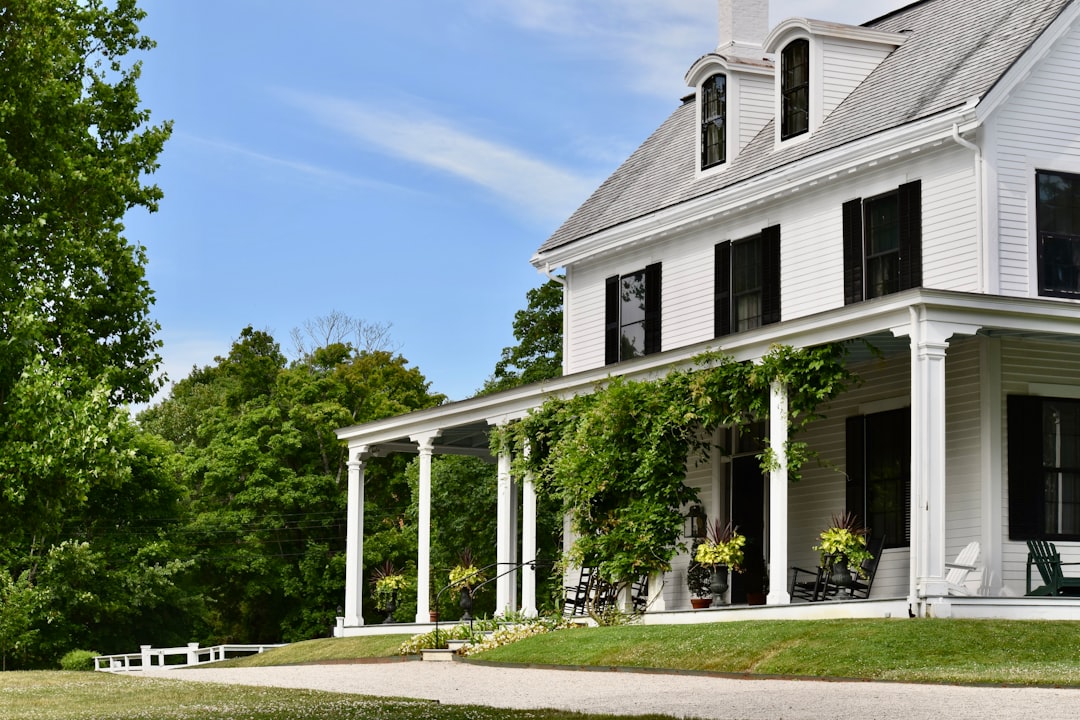
Picture this: You’ve found a drop-dead gorgeous historic home in Savannah’s Ardsley Park. It’s got the charm, the location, everything… except the narrow lot won’t fit the two-car garage you desperately need. Or maybe you’re a seller, ready to cash in, and you know a stunning screened-in porch would send your home’s value skyrocketing—but it would creep just a few feet into the required setback area. This is the classic moment where your brilliant vision for a property slams headfirst into Savannah’s zoning rules.

Let’s be real: Savannah’s unique character didn’t happen by accident. It’s protected by a comprehensive zoning ordinance that keeps the city beautiful and functional. These rules are essential, but they can feel like a brick wall when you have specific plans.
So, what do you do? Throw in the towel? Not a chance. The solution is a zoning variance—the official, legal pathway to get an exception and unlock your property’s true potential. In today’s wild real estate market, you’re probably drowning in misinformation about what you can and can’t do. Can someone say “Fake News”? You’ve heard it all: “Just build it and ask for forgiveness later!” or “My buddy knows a guy who got it approved, no problem.” This guide cuts through that noise. We’re giving you the clear, factual, no-nonsense roadmap for the Savannah zoning variance process, empowering you to make decisions that are smart, strategic, and successful.
Key Takeaways
- It’s About the Land, Not Your Feelings: A variance is granted based on a unique physical “hardship” of the property itself (like its shape or topography), not because you personally want or need something.
- The Pre-Application Meeting is Gold: Meeting with the Metropolitan Planning Commission (MPC) staff before you officially apply is the single most important step. It can save you thousands of dollars and months of headaches.
- A Variance is Never a Guarantee: For buyers, this means making your purchase offer contingent on variance approval. For sellers and realtors, it means managing expectations about the timeline and outcome.
- Preparation is Everything: A successful application requires a complete package with a detailed site plan, a compelling letter of intent, and a professional presentation at the public hearing.
First Things First: What Exactly is a Zoning Variance?
Before you dive into paperwork, let’s clear up what a variance actually is, and what it isn’t. Think of it less as changing the law and more as getting a specific hall pass for your property.
A Simple Definition for Realtors, Buyers, and Sellers
A zoning variance is official permission from the city to deviate from a specific zoning requirement for your property. It’s not about changing the rulebook for everyone; it’s about getting a specific, justified exception for your unique property when the rules create an unfair burden. It’s the city acknowledging that your lot is weirdly shaped or has a protected tree right where a driveway should go, making it impossible to follow the rules to the letter without losing reasonable use of your land.

Common Scenarios When You Might Need a Variance in Savannah
You might be surprised how often this comes up. The need for a variance can appear at any stage of a real estate transaction.
- For Buyers: You’re looking at a property and planning big things. Maybe you want to build an addition that encroaches on a setback, construct a fence taller than what’s normally allowed for privacy, or add an accessory dwelling unit (ADU) for your in-laws on a funky, pie-shaped lot. Understanding the variance process is key to investing in real estate with hidden potential.
- For Sellers: You have a deck, shed, or other structure that was built years ago without the proper permits and doesn’t conform to current zoning. To ensure a smooth closing, you might need a variance to legalize that pre-existing structure. Proactively handling this is one of the top 10 tips that will sell your house.
- For Realtors: You spot a property with a challenging lot that other agents have overlooked. By understanding that a variance could unlock its potential—allowing for a garage, a pool, or a needed expansion—you can add significant value for your buyer and position yourself as a true expert.
Variance vs. Special Use Permit vs. Rezoning: Know the Difference
People throw these terms around interchangeably, and it causes massive confusion. Don’t be that person. Here’s the simple breakdown.
| Category | Zoning Variance | Special Use Permit | Rezoning |
|---|---|---|---|
| What it is | An exception to a dimensional rule (e.g., setback, height, lot coverage). | Permission for a use that’s allowed, but only with special conditions. | A fundamental change to the property’s zoning district classification. |
| Example | “My lot is so narrow, I need to build my garage 2 feet closer to the property line than the rules allow.” | “I want to run a small, quiet daycare out of my home in a residential zone.” | “I want to change this single-family residential lot to a commercial lot to build a coffee shop.” |
| Difficulty | Challenging, but straightforward if you meet the criteria. | Depends on the proposed use and its impact on the neighborhood. | Very difficult, lengthy, and requires a high level of public scrutiny. |
The Core of Your Application: Proving “Unnecessary Hardship”
This is the absolute heart of your variance application, and it’s where most people get it wrong. You must prove that the zoning ordinance creates an “unnecessary hardship” for you.
It’s About the Property, Not Your Personal Plans
Listen up, because this is critical: The hardship must relate to the unique physical characteristics of the land itself. We’re talking about things like:

- A triangular or irregularly shaped lot.
- A steep slope that makes construction in the approved building envelope impossible.
- A protected grand oak tree sitting exactly where your addition needs to go.
- A stream or other natural feature that limits usable space.
What does not legally constitute a hardship? Your personal or financial situation. The board cannot, by law, grant a variance because you want a bigger kitchen, because you can’t afford to redesign your plans, or because you simply prefer a different layout. It’s all about the dirt.
The 5 Questions the Savannah Zoning Board of Appeals Will Ask
When you present your case, the Savannah Zoning Board of Appeals (ZBA) is evaluating it against a strict set of criteria. Your entire application should be built around providing a resounding “yes” (or “no” for #3) to these five questions:
- Are there unique physical circumstances or conditions applying to the property? (This is your hardship. You must clearly identify the unique feature of your lot.)
- Because of these conditions, would the strict application of the ordinance deprive the owner of reasonable use of the land? (You have to show that without the variance, you can’t use your property in a way that’s comparable to your neighbors.)
- Are the circumstances due to the actions of the applicant? (The answer here must be “no.” You can’t create your own hardship—for example, by building an addition and then asking for a variance to make it legal.)
- Will granting the variance alter the essential character of the neighborhood or be detrimental to the public welfare? (You need to demonstrate that your project fits in and won’t negatively impact your neighbors’ property values, privacy, or access to light and air.)
- Is the variance requested the minimum variance necessary to afford relief? (Don’t be greedy. If you only need a 2-foot variance, don’t ask for 5. The board is looking to grant the smallest exception possible to solve the problem.)
Your Step-by-Step Guide to the Savannah Variance Process
Alright, let’s get into the nuts and bolts. This is your game plan from start to finish. While the specifics are for Savannah, the general flow is a great model for understanding planning and zoning in many areas.
Step 1: Pre-Application Homework and Consultation
- Do Your Research: Before you do anything else, read the Savannah Zoning Ordinance. Yes, it’s dense, but you need to understand the specific rule you’re asking to break.
- Crucial First Meeting: This is non-negotiable. Schedule a pre-application meeting with the professional staff at the Metropolitan Planning Commission (MPC). They will review your initial concept, tell you if a variance is the right tool, and flag potential problems before you spend a dime on architects or application fees. This meeting is free and can save you from a world of pain.
Step 2: Assembling Your Complete Application Package
Your application needs to be professional, thorough, and crystal clear. Think of it as your opening argument. You’ll generally need:

- Completed Variance Application Form: Available on the MPC website.
- Letter of Intent: This is your story. Clearly explain what you want to do, why you need the variance, and how you meet the five hardship criteria we just discussed.
- Site Plan: This isn’t a sketch on a napkin. You’ll need a detailed, to-scale site plan from a surveyor or architect showing property lines, existing structures, and the proposed changes.
- Proof of Ownership: A copy of the deed.
- List of Adjacent Property Owners: The MPC needs this to send out official notifications.
- Application Fee: Check with the MPC for the current fee schedule.
Step 3: Submission, Public Notice, and Staff Review
Once you submit your complete package, the official clock starts ticking.
- A yellow public notice sign will be posted on your property.
- Your immediate neighbors will be notified by mail.
- The MPC staff will conduct a formal review of your application, analyze it against the ordinance, and write a report with a recommendation (approval, approval with conditions, or denial) for the ZBA.
Step 4: Preparing for the Zoning Board of Appeals (ZBA) Hearing
This is your day in court. The ZBA is a citizen board that will hear your case in a public meeting.
- What to Expect: It’s a formal hearing. You (or your representative) will present your case. The MPC staff will present their report. Then, the board will ask questions, and members of the public (usually your neighbors) will have a chance to speak for or against your project.
- Tips for a Successful Presentation:
- Be professional, clear, and concise. Stick to the facts.
- Focus relentlessly on the five hardship criteria.
- Bring large, easy-to-read visuals: photos of the property, the site plan, and architectural renderings.
- Be prepared to answer tough questions from the board and address any concerns from your neighbors respectfully.
Step 5: The Decision and What Comes Next
After all testimony is heard, the board will vote.
- If Approved: Congratulations! You’ll receive a formal notice of decision. This isn’t a building permit; it’s the permission you need to apply for your building permits.
- If Denied: It’s not necessarily the end of the road. You have the option to appeal the ZBA’s decision to the Superior Court of Chatham County, though this is a more complex legal step.
Strategic Advice for Your Role in the Real Estate Transaction
How you handle a potential variance depends entirely on your seat at the closing table.

For Home Buyers
A variance is never guaranteed. If your dream for a property hinges on getting one, write your purchase offer with a contingency clause that allows you to back out and reclaim your earnest money if the variance is denied. Factor the timeline (which can be several months) and costs (application fees, surveyors, architects) into your decision when buying a house.
For Home Sellers
If you know your property needs a variance to reach its full potential (or to legalize an existing structure), getting it approved before you list is a massive power move. It removes uncertainty, makes your property attractive to a much wider pool of buyers, and can absolutely justify a higher asking price. This is a key strategy for a successful home sale.
For Realtors
Be the indispensable guide, the source of real facts in a sea of real estate website fake news. Your job is to manage your client’s expectations about the timeline, cost, and probability of success. Connect them with your network of trusted local professionals—surveyors, architects, and land-use attorneys—who can build a winning case. This is how you provide real value and become a go-to expert.
Turning Red Tape into a Green Light
The process of applying for a zoning variance in Savannah is detailed, demanding, and requires a serious dose of diligence. But it is a clear, manageable path for those who are well-prepared. It’s a perfect example of how the meaning of real estate in the United States is tied to navigating these local rules.
In a market where bad advice and online myths can lead to incredibly costly mistakes, understanding the real rules of the game is your greatest asset. Successfully navigating a complex process like a zoning variance demonstrates that expert, factual guidance isn’t a luxury—it’s essential to making a smart investment.
Whether you’re a buyer with a unique vision, a seller looking to maximize your property’s value, or a realtor guiding your client through the maze, don’t try to navigate the complexities of Savannah real estate alone. Contact us today to partner with a team that provides the clarity and expertise you need to turn a challenge into a winning opportunity.